



Introduction to Smart Home Tech in Prefab Homes for 2025
Welcome to the captivating world of prefab homes, a realm where innovation meets practicality, and where, by 2025, smart home technology is rewriting the very definitions of modern living. If you’ve been keeping an eye on housing trends, you might have noticed the increasing popularity of prefab homes. They’re like the unsung heroes of the housing market cost-effective, environmentally friendly, and incredibly versatile. But what if we told you that the real transformative magic lies in the integration of smart home technologies?
As we stand on the technological precipice of 2025, these smart technologies aren’t just about turning on your lights with a voice command or checking who’s at the door from your phone. They’re enhancing our daily lives in ways we once thought belonged only in science fiction. The rapid advancements in IoT devices are not only revolutionizing homes but are also bringing us a peace of mind that’s priceless. But what tech is truly worth the investment? And how do these systems come into play in prefab homes? Let’s explore.
Essential Smart Home Technologies for Prefab Homes
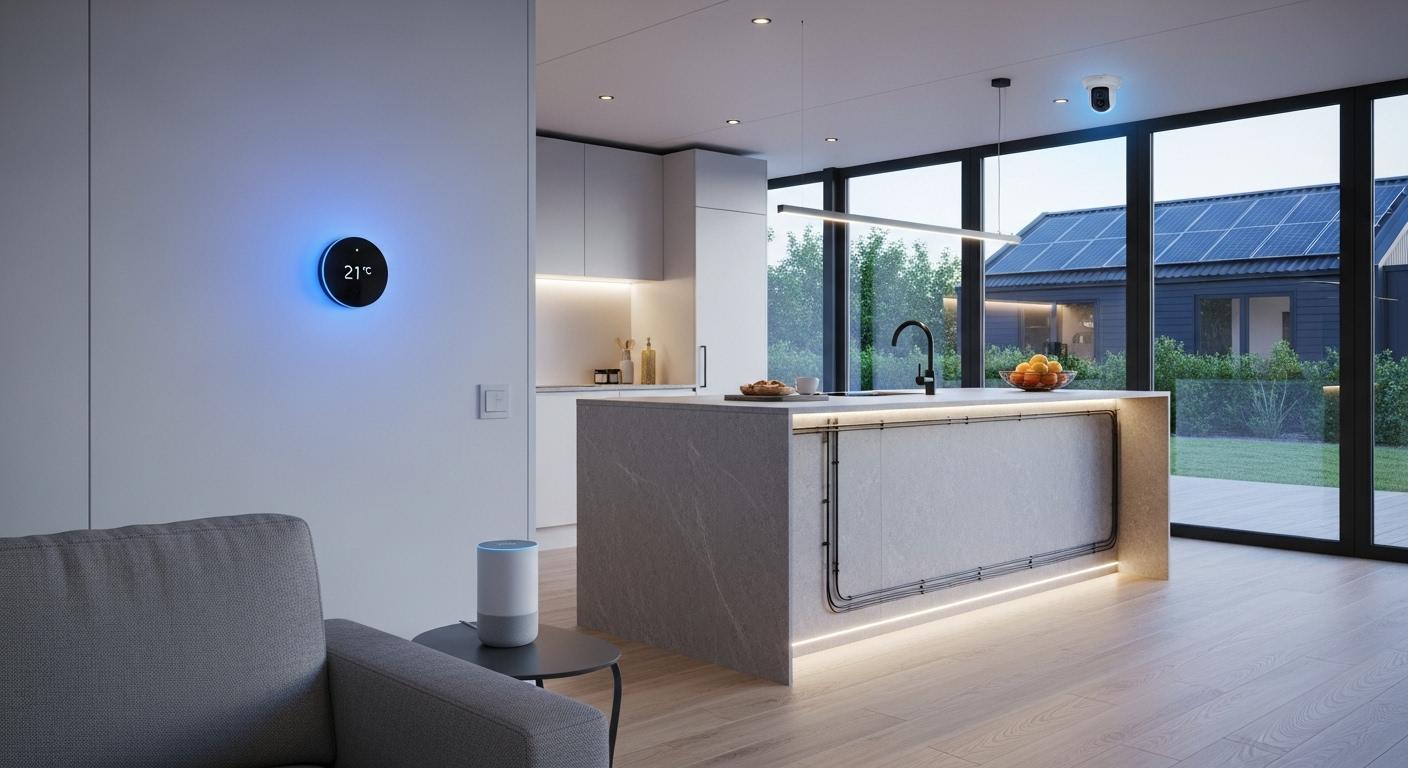
If you’re wondering where to start, consider the essentials. Think smart lighting, which not only offers convenience but is a champion of energy efficiency. Imagine your home’s lights adjusting based on the time of day or occupancy, saving you both energy and costs. Then there’s the smart thermostat, a must for anyone keen on optimizing climate control. With the potential to learn your habits and adjust settings automatically, it’s a small device with a big impact on comfort and energy savings.
For peace of mind, a smart security system is a game changer. From cameras that keep an eye on things when you can’t, to door locks and alarms that provide enhanced safety features, these systems ensure your home is not just smart, but secure. Last but not least, voice-controlled assistants like Alexa or Google Home are more than just novelties they’re your personal in-home aides, making life a tad bit easier with every command.
Connectivity and Integration: Making It All Work Seamlessly
Here’s the thing: Having a plethora of smart devices is fantastic, but without seamless integration, you’re just left with cluttered tech chaos. Enter the central hub or unified platform think of it as your home’s digital brain. It’s what makes all your devices work in harmony, allowing them to communicate effectively.
Wi-Fi 6 technology plays a crucial role here, offering faster, more reliable connections to handle the myriad of smart devices pinging off your network. And as we stride further into 2025, there’s a shift towards open standards, ensuring devices from different brands can play nicely together. However, don’t forget the backbone of it all: reliable internet access and backup solutions. Because, let’s face it, without these, smart tech isn’t so smart.
Energy Management and Sustainability
Smart energy systems are not just about convenience they’re about doing your part for the planet. Imagine a system that optimizes your electricity consumption, reducing both your carbon footprint and utility bills. This ethos extends to smart appliances that cater to a sustainable lifestyle. From refrigerators that minimize food waste to a dryer that operates at off-peak hours to save energy, the possibilities are extensive and exciting.
Moreover, incorporating renewable energy sources, such as solar panels, into prefab homes is becoming increasingly common. And if you’re an eco-conscious consumer, EV charging solutions integrated into your home’s energy ecosystem might just be your next big thing.
Smart Home Tech for Health and Well-being
In the evolving landscape of smart home tech, health and well-being are taking center stage. Air quality monitors working in tandem with smart purifiers provide a breath of fresh air, quite literally, ensuring your living space is as healthy as it is comfortable. Then there’s smart bedding and furniture designed to track sleep and promote restfulness, transforming your living space into a personal wellness retreat.
For the culinary adventurer, smart kitchen devices not only encourage healthier cooking habits but also offer a new level of convenience and food safety. Meanwhile, maintaining the right temperature and humidity has never been easier, contributing to your overall well-being and energy efficiency.
Cost and Accessibility: Balancing Investment with Value
The allure of smart home tech often comes with a hefty price tag, but what’s the real cost-benefit here? As with many things tech, initial investments can be pricy, yet the long-term savings potential is significant. The good news? Smart devices are becoming more affordable. Financing options are more accessible than ever, encouraging homeowners to make the leap into smart living.
When evaluating the investment, consider the value added to your home, the potential savings on energy costs, and the convenience that smart technology brings. It’s not just about the gadgets; it’s about enhancing your quality of life in a way that’s sustainable and practical.
Future Trends in Smart Home Technology for Prefab Homes
So, what’s on the horizon? With AI and machine learning continually evolving, smart home systems are on the brink of becoming even more intuitive and efficient. There’s also the exciting potential of augmented reality (AR) and virtual reality (VR) in home management, offering new ways to interact with and manage our living spaces.
Predictive maintenance technologies could soon save homeowners countless headaches by identifying potential issues before they become costly repairs. And let’s not forget innovations in user interfaces, including gesture recognition, that are set to make our interactions with technology even more seamless.
Conclusion: Embracing Smart Home Tech in Prefab Homes by 2025
By 2025, the integration of smart home technology in prefab homes promises to redefine how we view and interact with our living spaces. Whether it’s the efficiency of smart lights, the security peace of mind of a smart home system, or the sustainable promise of energy management, the benefits are compelling.
As you consider diving into the world of smart tech, reflect on your priorities and needs. The potential to enhance quality of life with these advancements is remarkable, and the future of living in smart prefab homes is indeed bright. Embrace the technology with an open mind and a sense of wonder it just might change the way you live forever.
