



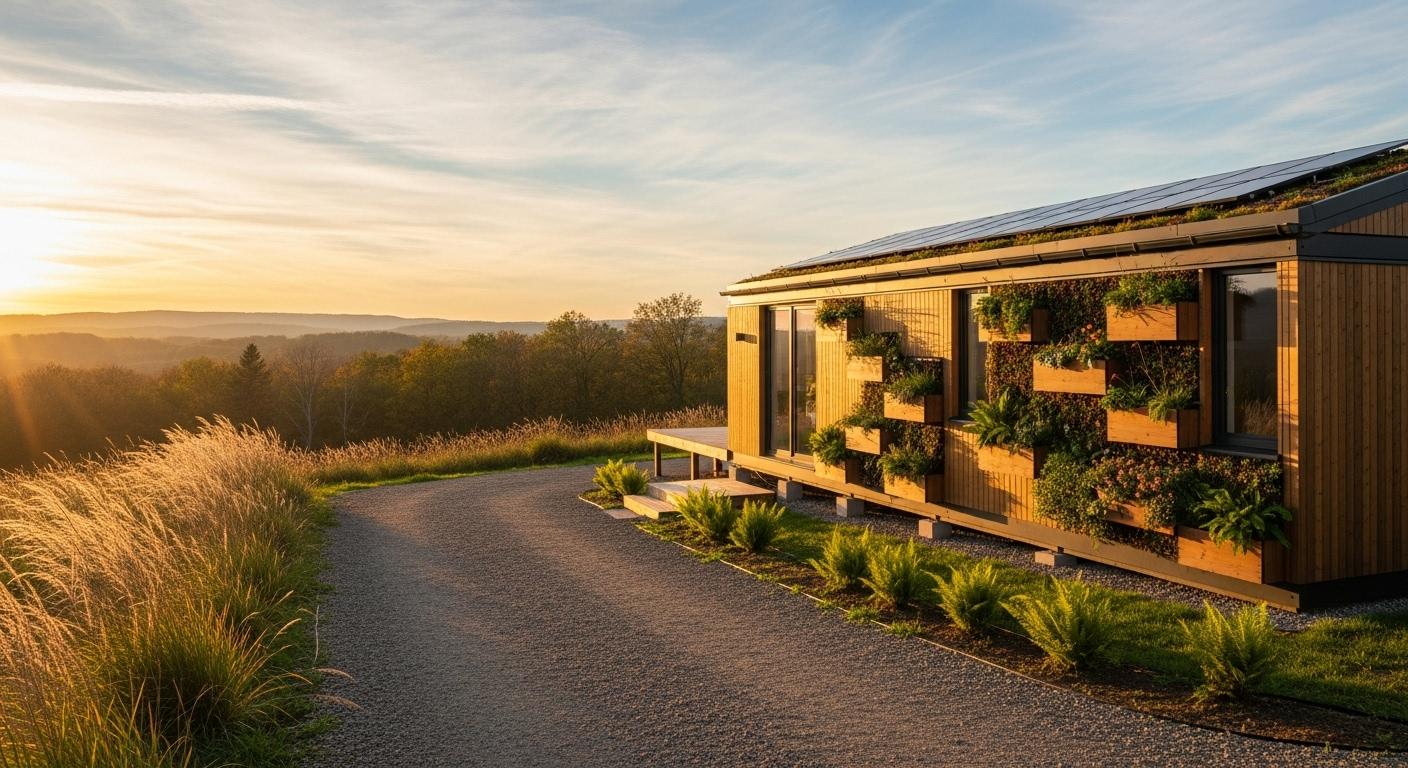
Introduction to Prefab Homes in 2025
Prefab homes have been capturing the imagination of homeowners and developers alike, becoming a significant player in the housing market. By 2025, the allure of prefab homes is stronger than ever. But what exactly is a prefab home? In essence, it’s a house whose components are manufactured off-site and then assembled on-location. Think of it as LEGO, but on a much larger scale. Factors such as sustainability, cost-effectiveness, and innovative designs are steering the trends that define these homes.
The popularity of prefab homes has surged due to their timely response to modern housing needs. With easy customization, reduced construction time, and a lower environmental impact, these homes are appealing to a broad audience, from young urbanites to retirees looking to downsize.
Sustainable and Eco-friendly Materials
The year 2025 marks a pivotal point in sustainable architecture, with prefab homes at the forefront. The use of recycled and sustainable materials, such as reclaimed wood and recycled steel, is becoming prevalent. Energy-efficient designs are no longer optional; they’re a must-have. Solar panels, excellent insulation, and energy-efficient heating systems are standard features in these homes.
Government policies across the globe are increasingly favoring eco-friendly practices, providing incentives for using sustainable materials. This push not only reduces the carbon footprint but often results in cost savings for homeowners in the long run.
Minimalist Architectural Designs
Minimalism isn’t just a trend; it’s a lifestyle shift. Inspired by Scandinavian design, prefab homes are embracing clean lines and functional aesthetics. Open, flexible living spaces create a sense of freedom, allowing homeowners to move away from cluttered and compartmentalized living.
Why is simplicity so appealing? It offers a calming environment, reducing visual stress. Imagine a living room with simple, elegant furniture and a splash of bold color on one wall just enough to keep things interesting. The focus is on comfort, functionality, and personal style.
Integration of Smart Home Technology
Smart technology isn’t just for gadgets anymore; it’s seamlessly integrated into our homes. Prefab homes in 2025 are designed with smart technology at their core. Advanced home automation systems, connected devices, and smart security features are integrated into the design from the outset.
The advantages are clear. Smart home integration allows for better energy consumption management, increased security, and more convenience, enhancing daily living and offering a peek into the future of housing.
Biophilic Design Elements
There’s a growing emphasis on connecting with nature through biophilic design. Prefab homes now incorporate natural light maximization, indoor greenery, and the use of natural materials like wood and stone. This approach not only enhances wellness but also creates a serene and inviting space.
The psychological benefits of bringing nature indoors are profound, reducing stress and enhancing creativity and productivity. Imagine skylights that flood rooms with sunlight and an indoor vertical garden wall that brings the outdoors in. It’s about creating a sanctuary that nurtures the soul.
Compact and Efficient Living Spaces
With urbanization on the rise, efficient use of space has never been more critical. Prefab homes are designed to make the most of every square foot. Creative storage solutions and multi-functional areas are key elements of these compact homes.
Efficiency doesn’t mean compromise. Instead, it fosters innovation in design. Whether it’s a pull-out bed or a hidden kitchen these homes exemplify how reduced space can enhance functionality and style.
Innovative Construction Techniques
The construction industry is experiencing a technological revolution, and prefab homes are leading the charge. Advances in 3D printing and prefabrication processes are dramatically improving construction speed and cost.
Precision and quality improvements mean prefab homes are not only faster to assemble but also built to last. With new materials and building methods being introduced, the future promises even more exciting possibilities in home design and construction.
Off-grid Solutions and Self-sustainable Systems
In a world increasingly aware of its environmental impact, off-grid solutions are becoming mainstream in prefab home design. Homeowners are eager to reduce reliance on external utilities, leveraging technologies like solar panels, rainwater harvesting, and green roofing.
These self-sustainable systems offer peace of mind and significant cost savings over time. The potential to live comfortably with minimal environmental impact is incredibly appealing.
Community-focused Prefab Developments
The idea of community within prefab developments is gaining traction. Pre-designed neighborhood schemes and collaborative designs are fostering a sense of community living. These housing projects not only provide homes but also social connectivity.
Case studies of successful prefab communities highlight the social benefits of such initiatives. They create neighborhoods where the sum is greater than its parts, encouraging collaboration and shared experiences among residents.
As you consider investing in a home or just satisfy your curiosity about the latest design trends, the world of prefab homes in 2025 offers a compelling vision. From sustainability and smart tech to community-oriented living, these trends showcase the innovative spirit and practical solutions prefab homes bring to modern housing.
